Market Updates
RBNZ Cuts OCR to 2.25% - What It Means for Borrowers
Nov 27, 2025
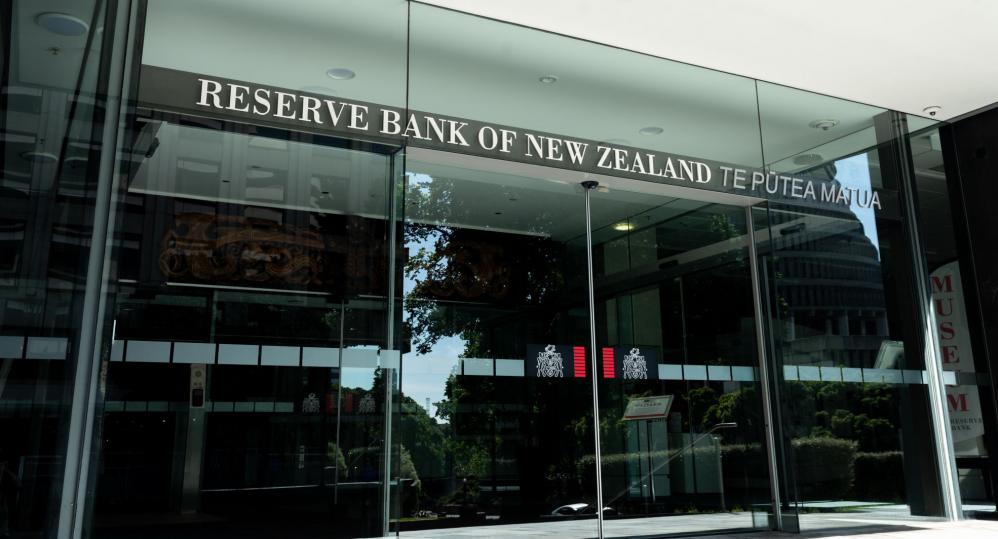
The RBNZ has cut the OCR to 2.25%, signalling the end of the rate-cutting cycle. Here’s what the move means for mortgage rates, buyers, refinancing and the housing market.
The Latest OCR Move: Relief, But Not Fireworks
At its 26 November 2025 meeting, the Reserve Bank of New Zealand (RBNZ) cut the Official Cash Rate (OCR) by 25 basis points, taking it down to 2.25% — the lowest point since mid-2022. But this wasn’t a bold easing call; it was the final nudge in a long cycle.
The bank signalled clearly that this could be the last cut for now. Future moves depend on how fast inflation settles around the 1–3% target band and how quickly underlying economic activity recovers. This is easing with caution, not easing with conviction.
Why the RBNZ Acted: The Economic Backdrop
The RBNZ continues to lean on the OCR as its primary lever to influence mortgage rates, business lending and deposit returns. But the bigger factor behind this cut is the state of the domestic economy. Recent statements show “significant spare capacity” — demand is subdued, spending is soft, and business activity is patchy. Inflation, meanwhile, has eased materially. Non-tradables inflation has finally started cooling, giving the bank space to continue easing without threatening long-term price stability. Previous cuts (to 3.00%, then lower) were already flowing through the economy.
This latest step is more of a final alignment than a fresh push.
Market Reaction: One Message Loud and Clear
The market didn’t waste time. Short-term interest-rate swaps rose in the hours following the announcement, reflecting the belief that this is the bottom of the cycle. Rate-cut expectations for 2026 evaporated almost immediately.
The New Zealand dollar strengthened, signalling investor confidence in the RBNZ’s stance — or at least a sense that the long run of OCR reductions is over. Markets are now pricing in stability, not further easing.
What This Means for Borrowers and Buyers
Lower OCR should, over time, translate into reduced borrowing costs. Floating rates are the first to shift, and borrowers on variable loans may see some modest improvement. Fixed rates won’t fall as quickly, but for those nearing a refix, this environment is undeniably more favourable than it was 12–18 months ago.
For buyers, lower borrowing costs can boost affordability — but with the RBNZ signalling the end of the easing cycle, expectations of dramatic rate drops should be toned down. Modest reductions? Yes. A plunge back to pandemic-level mortgage rates? Unlikely.
For refinancers, this is a moment to reassess. The window to secure a lower fixed rate may not get much wider from here. Our guidance: run the numbers now and take terms that balance cost with flexibility.
Read more about Refinancing Strategies and How to Optimise in a Falling-Rate Environment.
Why This Cut Likely Marks the End of the Cycle
The RBNZ opted for a modest 25 bps cut rather than a heavy-handed move — and that choice speaks volumes. The accompanying monetary policy statement focused heavily on medium-term inflation and economic outlook, not on promises of further easing. In other words: they’ve done enough. It also mirrors what we’re seeing overseas as major central banks shift from rapid reaction to cautious stabilisation. This is classic late-cycle behaviour — reduce stimulus gradually, then pause and observe.
Implications: What to Watch Next
For borrowers: Expect some downward drift in floating rates, but don’t anchor your plans on major falls. Banks may pass on some benefit, but margins remain tight and wholesale markets are already pricing stability.
For home buyers: Lower borrowing costs may lift demand at the margin, but sentiment and employment confidence matter more. Don’t expect a sudden surge; think slow, steady improvement.
For refinancers: This could be one of the better windows to restructure or lock in a medium-term rate. If you’re considering refinancing, use break-even modelling first.
Check out our Refinancing Break-Even Calculator to understand what this might mean for you.
For the property market: If rates stabilise here, the housing market may find its footing — but growth will likely stay modest unless economic activity picks up.
For the broader economy: Keep an eye on inflation data, spending trends and upcoming RBNZ commentary. A surprise spike in inflation or global disruption could shift the bank’s stance quickly.
Practical Steps for Borrowers Right Now
• If you’re nearing a refixing window, start comparing 1–3 year rates now
• If you’re floating, monitor bank updates — cuts often pass through gradually
• If you’re eyeing a refinance, calculate break-even points before making any moves
• If you plan to buy, this is a healthier environment — but rates likely won’t fall much further
Use our Mortgage Serviceability calculator to understand how large a mortgage you could qualify for and more importantly afford.
Our final word
This latest OCR move offers relief — but doesn't dramatically change the already shifted lending landscape. It softens borrowing costs, steadies the market, and signals financial conditions that are finally shifting from restrictive to neutral.
But the RBNZ’s messaging is clear: the easing cycle is likely done. Borrowers shouldn’t wait for a flood of cheaper rates; instead, they should use this moment to make smart, strategic decisions about refixing, refinancing and buying. Talk to our advisers today to about what this latest OCR shift might mean for you.
Contact us